
Resources and Recycling
UCPH Goals:
- Increased sustainable procurement, use and recycling of resources in the entire value chain.
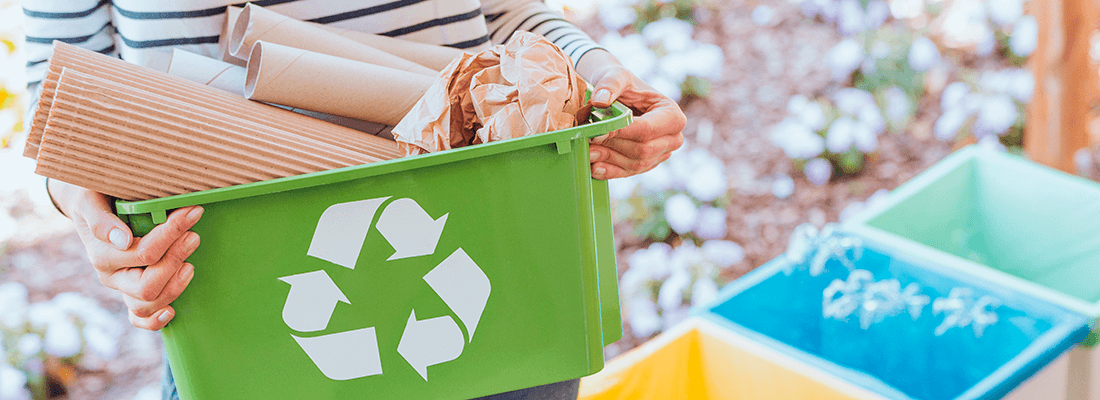
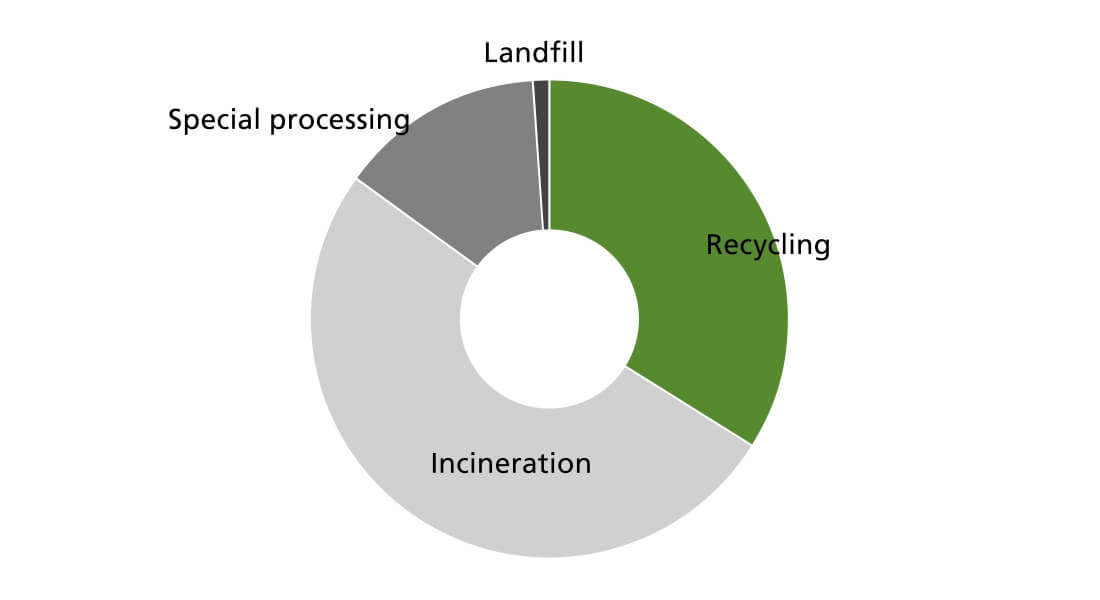
- Recycling of 60% of waste
- Reduce total quantities for incineration and landfills by 50% per FT
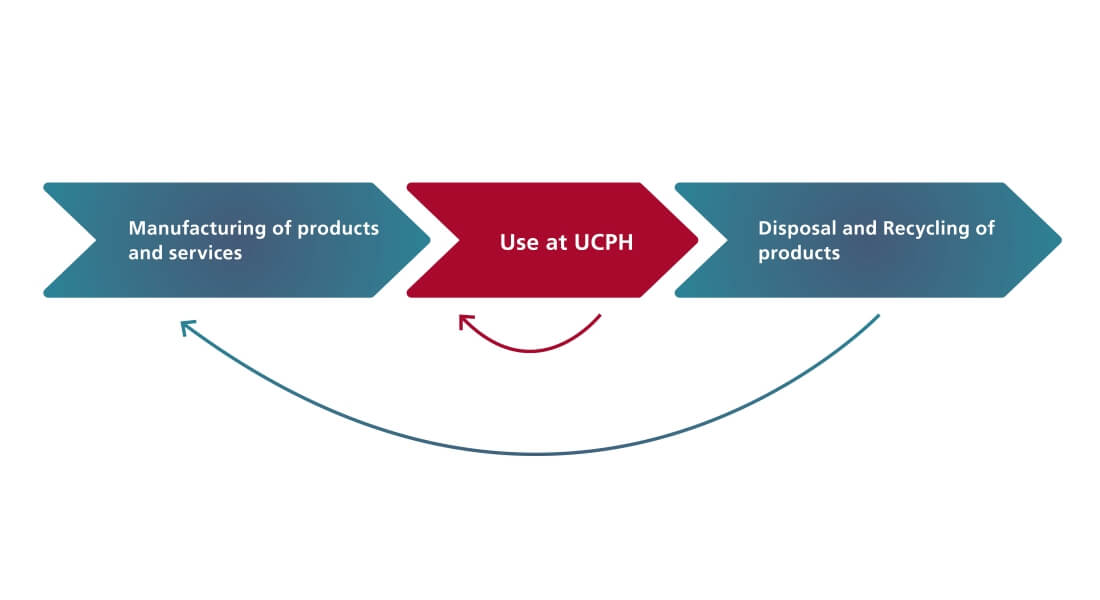
Particularly, initiatives within campus, buildings and operations, the laboratory area, IT, and procurement contribute to a more responsible use and reuse of resources, thereby supporting the university’s overall goal of reducing total resource consumption. Read more about UCPH’s six main focus areas.
As part of this goal, UCPH has established and expanded local waste sorting, enabling employees and students to actively contribute to the objective of increased resource efficiency. These schemes are continuously developed to ensure practical and meaningful solutions that support the full life-cycle perspective, from procurement to use and disposal.
UCPH must also reduce its material and resource consumption. For example, through:
- Reuse of passive assets, where existing items and resources that are not being used optimally or are stored away are utilized better or shared across the organization.
- Repair of defective assets, where a systematic effort ensures that broken items are repaired rather than replaced with new ones.